- Contact Us Now: (315) 234-4935 Tap Here To Call Us




The Use of Psychiatric Evaluations in Child Custody Matters


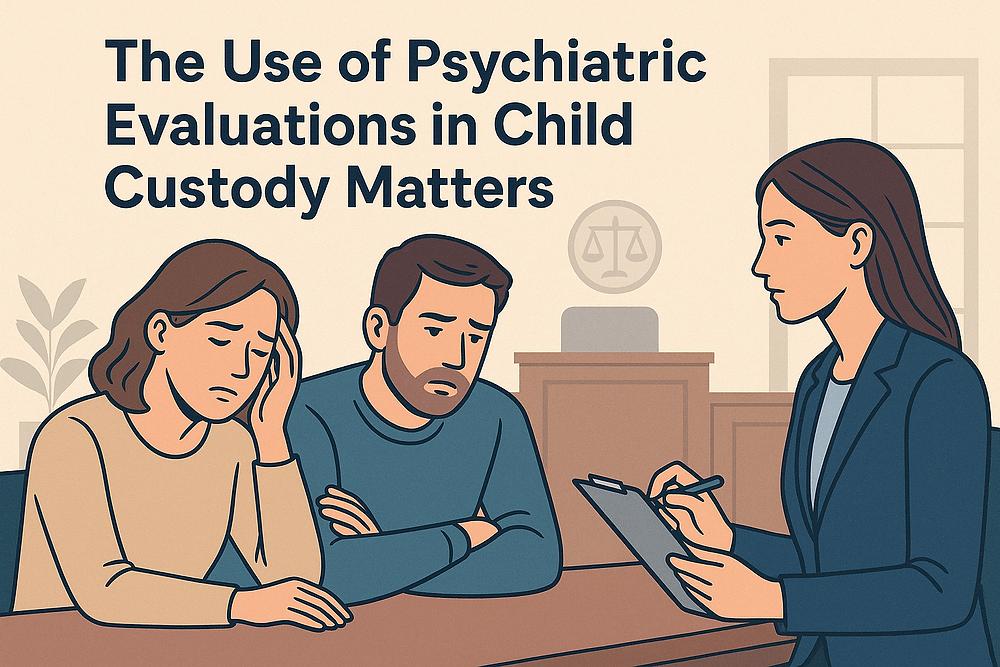
When child custody is in dispute, New York courts aim to determine what arrangement serves the best interests of the child. In some cases, questions about a parent’s mental health, emotional stability, or parenting capacity may lead the court to order, or the parties to request, a psychiatric evaluation, also commonly referred to as a forensic custody evaluation. These assessments, conducted by qualified mental health professionals, provide valuable insights into the psychological well-being of parents and children involved in custody cases. As an experienced Syracuse child custody attorney practicing in across Central New York, I’ve seen firsthand how these evaluations can influence outcomes, helping judges make informed rulings on custody and visitation arrangements.
What Are Psychiatric Evaluations in Custody Cases?
A psychiatric evaluation is a professional assessment performed by a licensed mental health professional. The evaluator’s job is to assess the mental and emotional condition of one or both parents, and, in some cases, the child, to help the court understand how those factors may impact parenting ability, decision-making, and the child’s well-being.
These evaluations differ from standard therapy or counseling. The evaluator does not provide treatment but instead prepares a written report for the court or attorneys involved in the case. The report may include:
- A summary of interviews with the parents and child
- Psychological testing results
- Observations of parent-child interactions
- Professional opinions about each parent’s ability to meet the child’s needs
The goal is impartiality: the evaluator acts as a neutral party, not aligned with either parent, to offer recommendations based solely on the child’s best interests.
When Are Psychiatric Evaluations Ordered?
Courts don’t order these evaluations in every custody case; they’re reserved for situations where there’s significant conflict or concern. Common triggers include:
- Allegations of mental illness, substance abuse, domestic violence, or instability;
- A parent exhibits erratic, aggressive, or concerning behavior;
- The child shows signs of emotional distress linked to a parent’s conduct;
- The court needs expert insight to evaluate the child’s safety or developmental needs;
- High levels of parental conflict;
- Suspected parental alienation, where one parent may be influencing the child against the other.
A judge may order an evaluation on their own initiative (sua sponte), at the request of a parent, or based on a recommendation from the attorney for the child. Once ordered, the evaluation becomes a key piece of evidence, though it’s not the sole basis for the court’s decision.
How the Court Uses the Evaluation
The evaluator’s findings are not binding, but they often carry significant weight. Judges in New York may consider the evaluator’s recommendations alongside testimony, documents, and other evidence presented at trial.
Ultimately, the court will decide what custody arrangement best promotes the child’s welfare. The evaluator’s report is just one of many factors, but in cases involving serious mental health concerns, it can be highly persuasive.
Contact A Syracuse Child Custody Attorney Today
If you’re facing a custody dispute involving a potential psychiatric evaluation, contact an experienced Syracuse child custody attorney today for a confidential consultation.
For more information on child custody proceedings, please visit our Child Custody and Frequently Asked Questions pages
Disclaimer: This blog post is for informational purposes only and does not constitute legal advice. Laws and guidelines can change, so always verify with current statutes or a professional.

Address
| Monday | 8:30 AM - 4:30 PM |
| Tuesday | 8:30 AM - 4:30 PM |
| Wednesday | 8:30 AM - 4:30 PM |
| Thursday | 8:30 AM - 4:30 PM |
| Friday | 8:30 AM - 4:30 PM |
| Saturday | Closed |
| Sunday | Closed |
Contact Us Now