- Contact Us Now: (315) 234-4935 Tap Here To Call Us



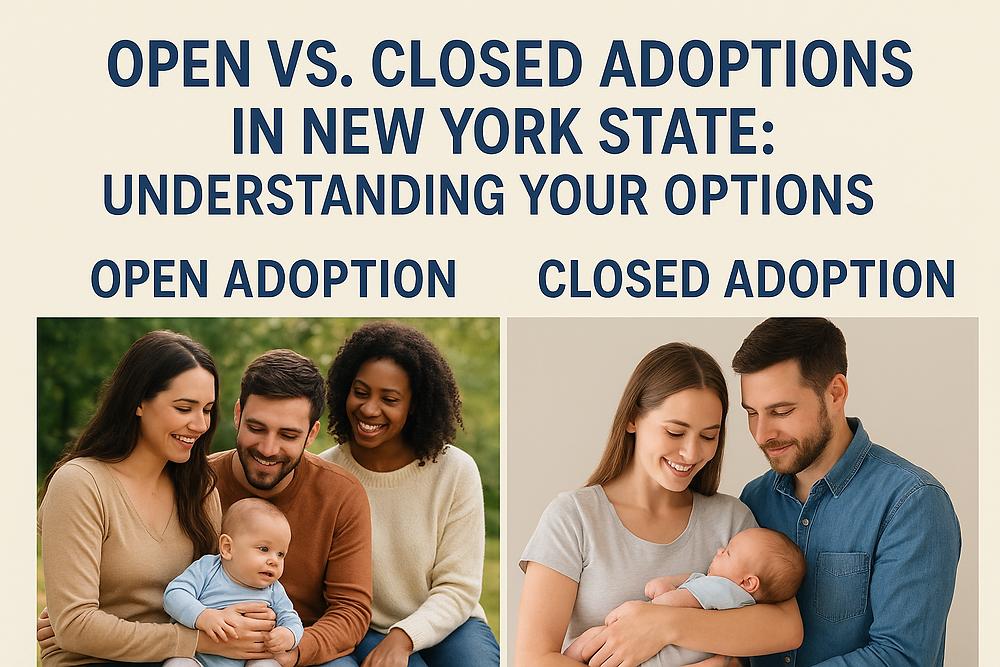
Open Vs. Closed Adoptions in New York State: Understanding Your Options


When considering adoption in New York, one of the most significant decisions prospective birth parents and adoptive families face is whether to pursue an open or closed adoption. This choice profoundly impacts everyone involved in the adoption triad, birth parents, adoptive parents, and the child. In this post a Syracuse adoption attorney explains the differences, benefits, and legal implications of each approach can help you make an informed decision that best serves your family’s needs.
What Is a Closed Adoption?
A closed adoption is the traditional model where there is no contact or exchange of identifying information between birth parents and adoptive parents. In this arrangement, records are sealed, and the adopted child typically has no contact with their birth family during childhood. The adoption agency or attorney serves as an intermediary, and any medical or background information is shared without revealing identities.
Historically, closed adoptions were the standard in New York and throughout the United States, based on the belief that a “clean break” would help all parties move forward. However, attitudes and practices have evolved significantly over recent decades.
What Is an Open Adoption?
An open adoption involves some degree of contact and information sharing between birth parents and adoptive families. The level of openness can vary considerably based on what all parties agree to and feel comfortable with. Open adoptions might include:
- Exchange of letters, photos, and emails through an intermediary
- Direct communication via phone, text, or email
- In-person visits at agreed-upon intervals
- Social media connections
- Ongoing relationships that evolve as the child grows
It’s important to understand that “open adoption” exists on a spectrum. Some families maintain minimal contact with occasional updates, while others develop close, extended-family-like relationships.
Legal Framework in New York State
New York law does not mandate either open or closed adoptions, giving families flexibility to determine what arrangement works best for their situation. However, there are important legal considerations to understand:
Post-Adoption Contact Agreements: New York allows birth parents and adoptive parents to enter into post-adoption contact agreements. However, these agreements are not always enforceable in the same manner as other contracts.
Adoptee Access to Records: New York has made significant changes to adoptee rights in recent years. Adult adoptees (age 18 and older) now have the right to obtain their original birth certificates, though birth parents can file contact preference forms indicating whether they wish to be contacted.
Agency vs. Private Adoption: The type of adoption you pursue may influence the openness options available. Private adoptions often allow for more direct negotiation of open adoption terms between birth and adoptive parents.
Benefits of Open Adoption
Many families today choose some degree of openness because of the potential benefits:
For the Child: Access to medical history, understanding of their heritage and identity, answers to questions about their adoption story, and potential relationships with birth family members can support healthy identity development.
For Birth Parents: Ongoing knowledge that their child is safe and thriving, participation in milestone moments, reduced grief and uncertainty, and the ability to maintain a meaningful connection can provide peace of mind during a difficult decision.
For Adoptive Parents: Direct access to updated medical information, the ability to answer their child’s questions with accurate information, and help in addressing adoption-related issues as they arise can strengthen the adoptive family unit.
Benefits of Closed Adoption
Despite the trend toward openness, closed adoptions remain appropriate in certain circumstances:
Clear Boundaries: Some families appreciate the clear separation and the ability to establish their family unit without outside involvement.
Privacy Concerns: In situations involving safety issues, substance abuse, or other concerns, a closed adoption may protect all parties.
Emotional Comfort: Some birth parents and adoptive parents feel more comfortable with a closed arrangement, and respecting those feelings is important.
Simplicity: Closed adoptions may feel less complicated for families who are uncertain about managing ongoing relationships.
Contact a Syracuse Adoption Attorney Today
Every adoption is unique, and the decision between open and closed adoption should be made with careful consideration, honest communication, and qualified legal guidance. If you’re considering adoption in New York State, we’re here to help you explore your options and make informed decisions that honor everyone involved in your adoption journey. Contact our office today for a confidential consultation with an experienced Syracuse adoption attorney.
For more information on the adoption process please visit our New York State Adoptions and Frequently Asked Questions pages.
Disclaimer: This blog post is for informational purposes only and does not constitute legal advice. Laws and guidelines can change, so always verify with current statutes or a professional.

Address
| Monday | 8:30 AM - 4:30 PM |
| Tuesday | 8:30 AM - 4:30 PM |
| Wednesday | 8:30 AM - 4:30 PM |
| Thursday | 8:30 AM - 4:30 PM |
| Friday | 8:30 AM - 4:30 PM |
| Saturday | Closed |
| Sunday | Closed |
Contact Us Now