- Contact Us Now: (315) 234-4935 Tap Here To Call Us




Guardianship of Minor Children in New York State


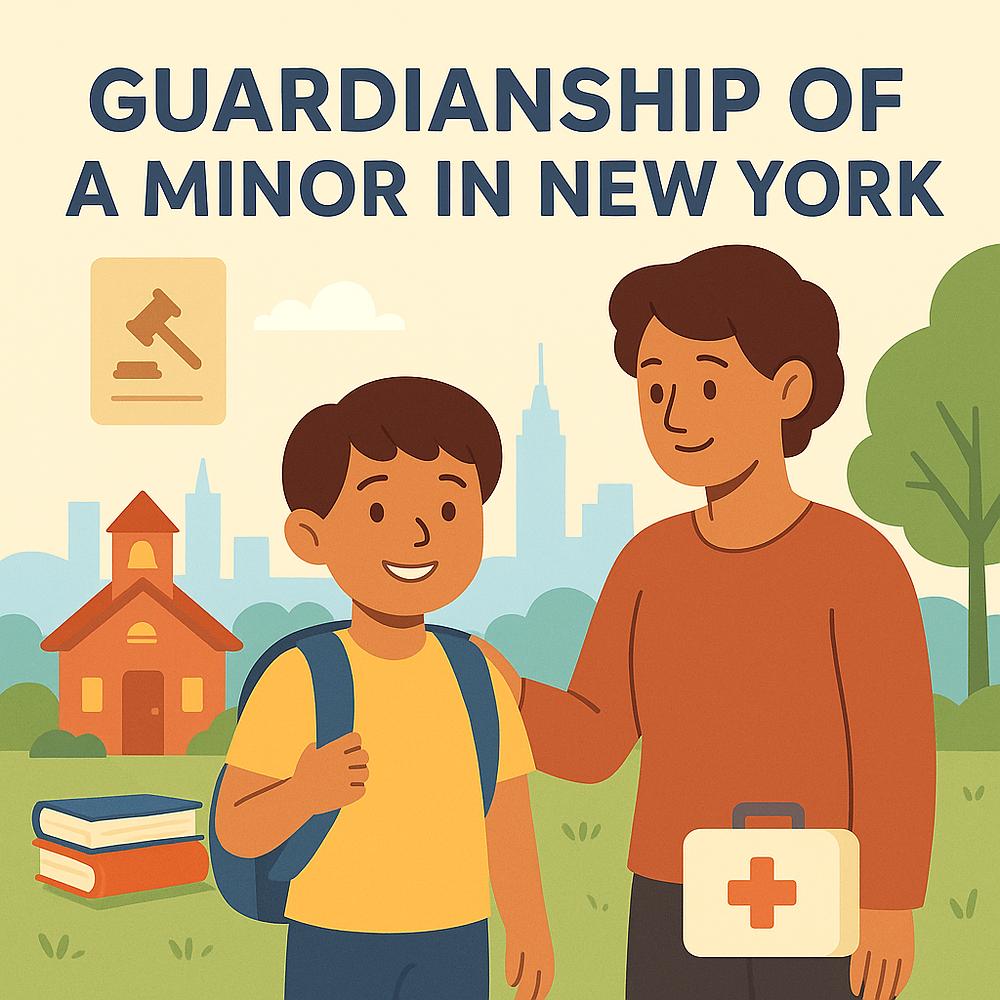
As a parent or caregiver, ensuring the well-being of a child is paramount. But what happens if circumstances prevent a parent from providing that care? In New York State, guardianship of minors offers a legal solution to protect children when parents are unable to fulfill their roles. Whether due to illness, death, or other challenges, establishing guardianship can provide stability and security for a child. In this post, a Syracuse family law attorney explores the essentials of guardianship for minors, including when it’s needed, the process, and key considerations.
What is Guardianship of a Minor?
Guardianship of a minor is a court-appointed arrangement where an adult (the guardian) is given the legal authority to make decisions on behalf of a child under 18 (or up to 21 in some cases). This includes decisions about the child’s education, healthcare, living arrangements, and finances. Essentially, the guardian steps into a parental role, with powers similar to those of a biological parent.
Unlike adoption, which permanently severs parental rights, guardianship is often temporary or conditional and doesn’t necessarily end the biological parents’ legal relationship with the child. It’s a flexible tool designed to prioritize the child’s best interests.
When is Guardianship Needed?
Guardianship becomes relevant when one or both parents are unable to care for the child. Common scenarios include:
- The death of a parent or both parents.
- Abandonment or neglect by the parents.
- A parent’s serious illness or incapacity that prevents decision-making.
- Military deployment abroad.
- Deportation of a parent while the child remains in the U.S.
If a child is at risk of harm due to these or similar issues, a court may appoint a guardian to ensure the child’s needs are met. It’s not intended for minor disputes but for situations where parental care is genuinely inadequate.
Types of Guardianship
In New York, guardianship for minors can be categorized based on the scope of authority:
- Guardian of the Person: Handles personal decisions, such as where the child lives, medical care, education, and daily welfare.
- Guardian of the Property: Manages the child’s financial assets, like inheritance, insurance payouts, or settlements. This is common when a minor receives money or property.
- Guardian of Both Person and Property: Combines the above for comprehensive oversight.
Additionally, for minors with intellectual or developmental disabilities, a court may grant broad decision-making powers tailored to the child’s needs. Standby guardianship is another option, where a guardian is designated in advance to activate if a parent becomes incapacitated or dies.
Who Can Apply for Guardianship?
Any adult aged 18 or older can petition the court to become a guardian, including relatives, family friends, or even non-relatives if they’re deemed suitable. The court prioritizes the child’s best interests when selecting a guardian. In some cases, a minor can express a preference for their guardian.
Contact a Syracuse Family Law Attorney Today
If you’re considering guardianship of a minor in New York State and have questions about the process, contact our office today for a confidential consultation with an experienced Syracuse family law attorney.
For more information on the adoption process please visit our New York State Adoptions and Frequently Asked Questions pages.
Disclaimer: This blog post is for informational purposes only and does not constitute legal advice. Laws and guidelines can change, so always verify with current statutes or a professional.

Address
| Monday | 8:30 AM - 4:30 PM |
| Tuesday | 8:30 AM - 4:30 PM |
| Wednesday | 8:30 AM - 4:30 PM |
| Thursday | 8:30 AM - 4:30 PM |
| Friday | 8:30 AM - 4:30 PM |
| Saturday | Closed |
| Sunday | Closed |
Contact Us Now