- Contact Us Now: (315) 234-4935 Tap Here To Call Us




Termination of Parental Rights in New York State


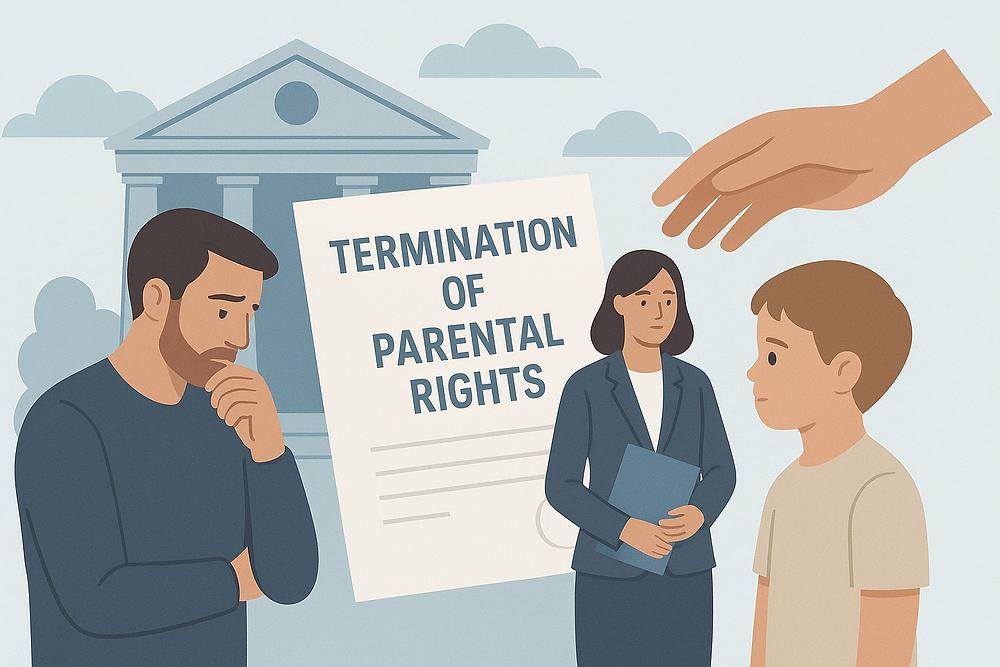
In the realm of family law, few matters are as serious and life-altering as the termination of parental rights (TPR). This legal process permanently severs the relationship between a parent and their child, freeing the child for adoption or other permanent placements. For families in New York State, TPR cases often arise in the context of child welfare investigations, foster care, or adoption proceedings. As a Syracuse family law attorney practicing across Central New York, I’ve seen firsthand how these cases can impact everyone involved. This blog post aims to provide a clear overview of TPR, including its grounds, process, and implications.
What is Termination of Parental Rights?
Termination of parental rights is a court-ordered end to a parent’s legal rights and responsibilities toward their child. Once terminated, the parent no longer has custody, visitation rights, or the ability to make decisions about the child’s education, health, or welfare. The child becomes legally free for adoption, and the state or an authorized agency assumes guardianship.
TPR can occur voluntarily, such as when a parent surrenders their rights to facilitate an adoption, or involuntarily, through a court petition. Involuntary TPR is typically initiated when a child’s well-being is at risk due to parental neglect, abuse, or incapacity.
Grounds for Termination in New York
New York law requires “clear and convincing evidence” to terminate parental rights, a high standard that protects parental rights while ensuring child protection. The primary grounds, as outlined in the Social Services Law and Family Court Act, include:
- Abandonment: If a parent has failed to visit or communicate with the child for at least six months without good cause, this may constitute abandonment. Incidental or sporadic contact doesn’t negate this ground, and the agency isn’t required to prove efforts to reunite the family.
- Permanent Neglect: This applies when the child has been in foster care for at least one year (or 15 of the last 22 months), and the parent has failed to maintain contact or plan for the child’s future despite the agency’s diligent efforts to provide reunification services. Diligent efforts might include arranging visits, referring parents to counseling or substance abuse programs, and warning them of consequences for non-compliance.
- Mental Illness or Intellectual Disability: If expert testimony shows that a parent’s mental health condition or disability prevents them from providing adequate care now and in the foreseeable future, rights may be terminated. The child must have been in care for at least one year.
- Severe or Repeated Abuse: This includes acts like causing serious physical injury, sexual abuse, or the murder of another child in the family. Repeated abuse involves multiple substantiated incidents within five years.
- Previous Termination: If a parent’s rights were terminated for another child, the agency may not need to demonstrate diligent efforts again in a new case.
The Legal Process for Termination
TPR proceedings in New York Family Court follow a structured process to ensure fairness:
- Filing the Petition: An authorized agency (like ACS) or foster parent files a petition in Family Court. Both parents must typically be served with the summons and petition, even if one is not the primary caregiver.
- Fact-Finding Hearing: The court examines evidence to determine if grounds for termination exist. Witnesses may include caseworkers, experts, and the parents. If the parent can’t afford an attorney, the court appoints one. The Attorney for the Child (a law guardian) represents the child’s interests.
- Dispositional Hearing: If grounds are proven, this hearing focuses on the child’s best interests. The judge may consider the child’s wishes (especially if over 14), investigative reports, and other factors. Possible outcomes include dismissing the petition, suspending judgment for up to a year (giving the parent a chance to improve), or terminating rights and committing the child to agency guardianship.
- Permanency Hearing: If rights are terminated, a hearing within 60 days plans the child’s future, often leading to adoption.
Consequences and Implications
Terminating parental rights has profound effects:
- For the Parent: Loss of all legal ties, including visitation and decision-making. However, in some cases, child support obligations may continue until adoption is finalized.
- For the Child: Provides stability through adoption or permanent placement, but can involve emotional challenges. Older children may have input, and post-adoption contact agreements are sometimes possible.
- For the Family: Siblings may be affected, and extended family could seek custody alternatives like kinship guardianship.
Can a Parent Voluntarily Terminate Their Own Parental Rights?
In New York State, a parent can voluntarily terminate their parental rights through a process known as “surrendering” those rights, but it’s typically done in specific circumstances and requires court approval to ensure it’s in the child’s best interest. This is often pursued to facilitate an adoption, such as by a stepparent, relative, or in cases involving newborns placed for adoption. It’s not something a parent can do unilaterally or casually, it’s a permanent, irrevocable decision that severs all legal ties, including custody, visitation, decision-making authority, and inheritance rights.
Contact a Syracuse Family Law Attorney Today
Contact us today for a confidential consultation with an experienced Syracuse family law attorney to learn more.
For more information on the adoption process please visit our New York State Adoptions and Frequently Asked Questions pages. For more information on the child protective investigations, please visit our CPS Investigations and Indicated Reports
Disclaimer: This blog post is for informational purposes only and does not constitute legal advice. Laws and guidelines can change, so always verify with current statutes or a professional.

Address
| Monday | 8:30 AM - 4:30 PM |
| Tuesday | 8:30 AM - 4:30 PM |
| Wednesday | 8:30 AM - 4:30 PM |
| Thursday | 8:30 AM - 4:30 PM |
| Friday | 8:30 AM - 4:30 PM |
| Saturday | Closed |
| Sunday | Closed |
Contact Us Now