- Contact Us Now: (315) 234-4935 Tap Here To Call Us




Tips for Navigating Financial Aid for a Child’s College Expenses as a Separated or Divorced Parent in New York


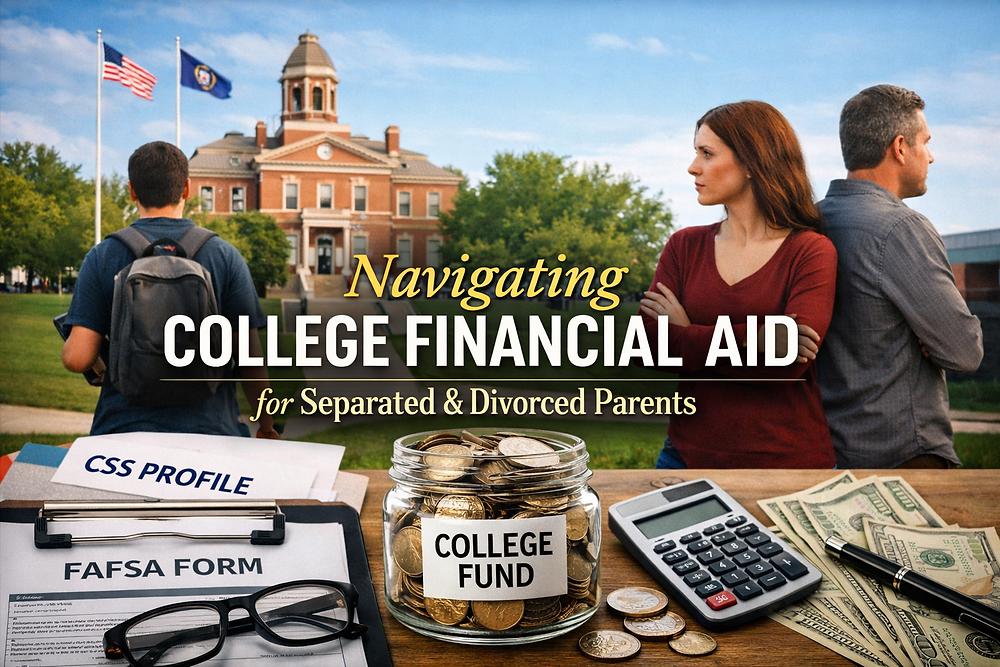
Paying for college is stressful for any family. For separated or divorced parents, it can feel even more complicated. Between financial aid forms, custody arrangements, child support obligations, and communication issues with an ex-partner, planning for a child’s higher education often raises legal and financial questions.
If you’re a separated or divorced parent in New York, understanding how financial aid works, and how it interacts with family law, can help you avoid costly mistakes and unnecessary conflict. Below are practical tips from an experienced Syracuse child support attorney to help you navigate college financial aid while protecting your legal and financial interests.
Understand Which Parent Files the FAFSA
The Free Application for Federal Student Aid (FAFSA) determines eligibility for federal grants, loans, and many scholarships. For divorced or separated parents, the FAFSA is completed by the “custodial parent.” This is not the parent with legal custody; it’s the parent the child lived with more than 50% of the time during the past 12 months. Important points:
- Only the custodial parent’s income and assets are reported.
- The non-custodial parent’s income is typically excluded on the FAFSA.
- If the custodial parent has remarried, the stepparent’s income must usually be included.
This can significantly affect financial aid eligibility, so planning ahead matters.
Know That Some Colleges Require the CSS Profile
While the FAFSA is federal, many private colleges also require the CSS Profile, which often asks for information from both parents, even if they are divorced. This means:
- The non-custodial parent may be required to disclose income.
- Financial aid packages may look different than FAFSA results alone.
- Disputes can arise if one parent refuses to cooperate.
Parents should be aware of this early in the college search process to avoid surprises.
Review Your Divorce Agreement or Court Order
In New York, parents are not automatically required to pay college expenses unless the obligation is addressed in:
- A divorce judgment
- A separation agreement
- A stipulation
- A court order
Some agreements specify:
- Each parent’s percentage contribution
- Whether tuition, housing, books, and travel are included
- Caps on costs (e.g., SUNY rates)
- Conditions based on grades or enrollment status
If your agreement is silent, disputes over college costs can quickly escalate into litigation.
Child Support and College Expenses Are Not the Same
Many parents assume child support automatically covers college. In New York, that’s often not true. Key distinctions include:
- Child support typically continues until age 21 unless otherwise stated.
- College contributions are a separate financial obligation.
- Courts consider income, assets, past expectations, and the child’s academic ability when deciding contributions.
If college planning wasn’t addressed in your divorce, legal guidance can help clarify your exposure and options.
Communicate Early With the Other Parent
Financial aid planning works best when parents communicate early and clearly. You should discuss:
- Which parent files FAFSA
- Deadlines for applications
- How scholarships will be handled
- Who pays what portion of uncovered expenses
- Housing and travel costs
Waiting until acceptance letters arrive often leads to conflict, rushed decisions, and court involvement. From a legal perspective, documented communication can also protect you if disputes later arise.
Be Strategic With Income and Assets
Financial aid formulas look closely at income and assets. Examples of issues that matter:
- Timing of bonuses
- Business income reporting
- Asset ownership
- Retirement withdrawals
- College savings accounts (529 plans)
Divorced parents sometimes unknowingly reduce eligibility by structuring finances inefficiently. Strategic planning, sometimes even years in advance, can materially improve aid outcomes.
Use 529 Plans Carefully After Divorce
If a 529 college savings plan exists, determine:
- Who owns the account
- Who controls withdrawals
- Whether the funds are restricted by court order
- How distributions affect financial aid
Improper use of a 529 can create tax consequences or legal disputes between parents.
Consider Legal Advice Before Major Commitments
Before signing tuition contracts, taking loans, or agreeing to contribution percentages, it’s wise to consult a New York family law attorney. Legal review can help:
- Interpret your agreement
- Protect your rights
- Avoid over-committing financially
- Preserve enforcement options
College decisions can lock parents into obligations lasting years. A short consultation now may prevent long-term litigation.
Contact a Syracuse Child Support Attorney Today
Navigating college financial aid as a separated or divorced parent in New York involves more than just filling out forms. It blends federal aid rules with family law obligations, court orders, and financial strategy. With early planning, clear communication, and proper legal guidance, parents can support their child’s education while protecting their own financial stability. If you’re unsure about your obligations, or facing a dispute over college costs, contact us today to schedule a confidential consultation with an experienced Syracuse child support attorney.
For more information on child support, please visit our Child Support in New York State and Frequently Asked Questions pages
Disclaimer: This blog post is for informational purposes only and does not constitute legal advice. Laws and guidelines can change, so always verify with current statutes or a professional.

Address
| Monday | 8:30 AM - 4:30 PM |
| Tuesday | 8:30 AM - 4:30 PM |
| Wednesday | 8:30 AM - 4:30 PM |
| Thursday | 8:30 AM - 4:30 PM |
| Friday | 8:30 AM - 4:30 PM |
| Saturday | Closed |
| Sunday | Closed |
Contact Us Now