- Contact Us Now: (315) 234-4935 Tap Here To Call Us




The Impact of Divorce on Wills and Estate Planning in New York


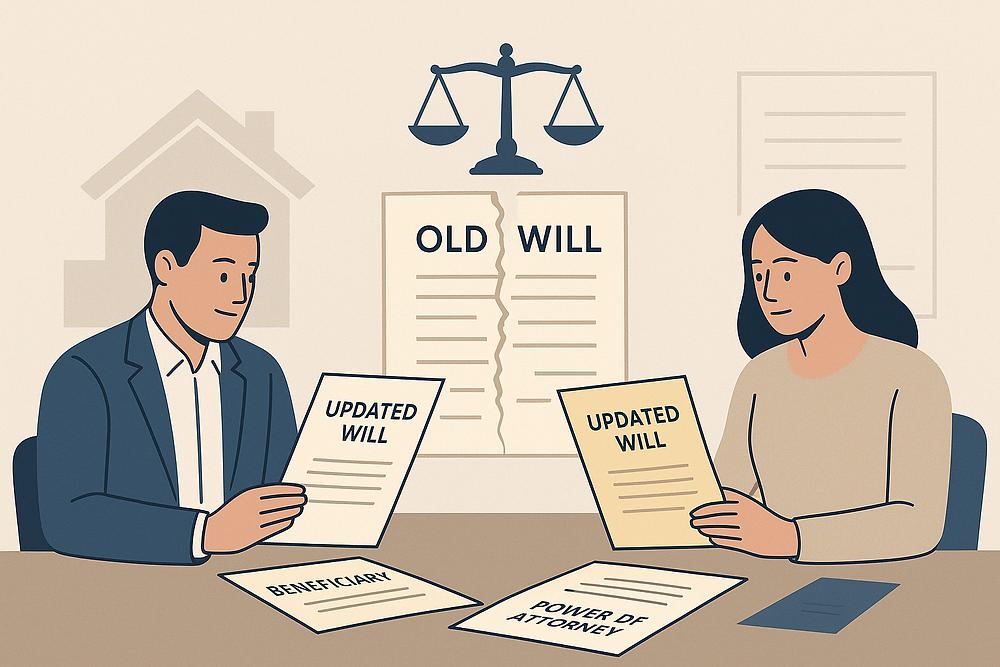
Divorce is a life-altering event that extends far beyond the dissolution of a marriage. It can significantly influence your financial future, including how your assets are distributed after your passing. In New York, specific laws govern how divorce interacts with wills and broader estate planning, often leading to automatic changes while requiring proactive updates in other areas. Understanding these implications is crucial to ensure your wishes are honored and to avoid unintended consequences for your loved ones. As a Syracuse divorce attorney serving clients across Central New York, I’ve seen firsthand how overlooking estate planning during or after divorce can lead to disputes and complications. This post explores key impacts and offers guidance on navigating them.
Automatic Revocation of Will Provisions Under New York Law
One of the most direct effects of divorce on your estate plan involves your will. New York Estates, Powers and Trusts Law (EPTL) § 5-1.4 provides that upon divorce, annulment, or dissolution of marriage, any disposition of property in your will to your former spouse is automatically revoked. This also applies to any appointment of your ex-spouse as executor, trustee, or in any fiduciary role. Essentially, the law treats your former spouse as if they had predeceased you, meaning those provisions are nullified unless your will explicitly states otherwise.
This revocation is designed to protect you from outdated intentions, but it’s not a complete solution. For instance:
- If your will leaves assets to your ex-spouse’s relatives (like their children from a previous relationship or siblings), those bequests remain intact unless you update the document.
- Jointly held property, such as real estate in tenancy by the entirety, automatically converts to tenancy in common upon divorce, severing the right of survivorship.
Importantly, this automatic revocation only kicks in after the divorce is finalized. If you pass away during the divorce proceedings, your spouse may still inherit under the existing will or through intestate succession laws if no will exists. To prevent this, consider creating a new will or adding a codicil during the divorce process.
Beneficiary Designations: A Common Oversight
While New York law automatically revokes will provisions favoring an ex-spouse, the same isn’t true for many non-probate assets. Beneficiary designations on life insurance policies, retirement accounts (like 401(k)s or IRAs), pensions, and payable-on-death (POD) or transfer-on-death (TOD) accounts do not change automatically in most cases.
For assets governed by federal law, such as ERISA-regulated retirement plans, the ex-spouse remains the beneficiary unless you actively update the designation post-divorce. Failing to do so could result in your ex receiving these assets, even if that’s no longer your intent. Additionally, revoking a beneficiary might trigger tax consequences, such as income taxes on distributions from tax-deferred accounts.
Post-divorce, review and update all beneficiary forms promptly. If your divorce settlement requires maintaining your ex as a beneficiary (e.g., to secure child support), ensure this is documented in a new designation to override any automatic revocations.
Powers of Attorney, Health Care Proxies, and Other Directives
Divorce also impacts advance directives. Under EPTL § 5-1.4, any nomination of your spouse in a durable power of attorney (for financial decisions) or health care proxy (for medical decisions) is revoked upon divorce. Without an update, you might be left without a designated agent, leading to court intervention if you’re incapacitated.
Update these documents to name a trusted family member, friend, or professional as your new agent. This is especially important if you have minor children, as it ensures continuity in decision-making.
Trusts and Asset Division
Trusts add another layer of complexity. For revocable trusts, provisions benefiting your ex-spouse are typically revoked under New York law, similar to wills. However, irrevocable trusts may not be easily altered, and divorce could affect funding or distributions based on asset division during the proceedings.
New York’s equitable distribution laws mean marital assets are divided fairly (though not necessarily equally) during divorce, which can reshape what assets are available in your estate plan. Reassess trust values and purposes post-divorce to align with your new financial reality.
Guardianship for Minor Children
If you have children, divorce prompts a review of guardianship nominations in your will. While custody is typically addressed in the divorce decree, your will designates a guardian in case both parents pass away. If your ex-spouse is unfit (e.g., due to health or substance issues), you may need to nominate an alternative guardian and provide evidence to support this choice.
Tax Implications and Overall Strategy
Divorce can alter your tax situation, affecting estate planning. Changes in filing status, alimony (now non-deductible under federal law), and asset transfers may have capital gains or estate tax ramifications. Consulting with a tax advisor alongside your attorney is advisable to minimize liabilities.
Contact A Syracuse Divorce Attorney Today
Relying solely on automatic revocations can lead to gaps in your plan, potential litigation, or assets going to unintended recipients. The best approach is to review and revise your entire estate plan immediately after divorce. This includes creating a new will, updating beneficiaries, and revising directives to reflect your current wishes. If you’re considering divorce in New York State, contact us today for a confidential consultation with an experienced Syracuse divorce attorney to discuss the impact how it could impact your will and estate planning.
For more details on the divorce process please visit our Divorce and Frequently Asked Questions pages. For more on estate planning please visit our page on Wills, Trusts, and Estates Planning in New York
Disclaimer: This blog post is for informational purposes only and does not constitute legal advice. Laws and guidelines can change, so always verify with current statutes or a professional.

Address
| Monday | 8:30 AM - 4:30 PM |
| Tuesday | 8:30 AM - 4:30 PM |
| Wednesday | 8:30 AM - 4:30 PM |
| Thursday | 8:30 AM - 4:30 PM |
| Friday | 8:30 AM - 4:30 PM |
| Saturday | Closed |
| Sunday | Closed |
Contact Us Now