- Contact Us Now: (315) 234-4935 Tap Here To Call Us




Living Together After Filing for Divorce — Is It a Mistake?


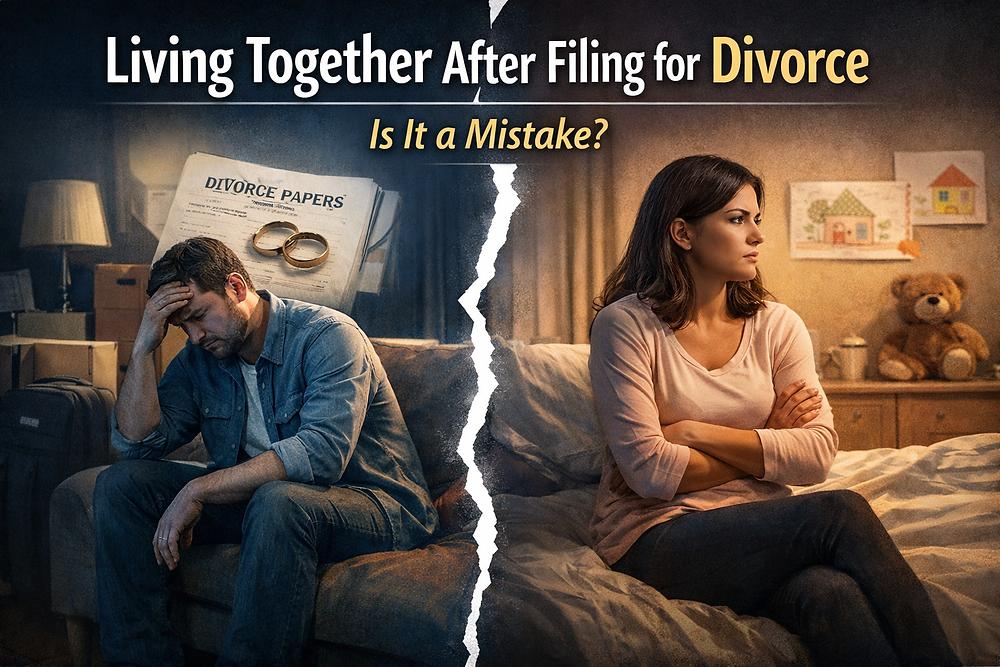
It’s more common than many people think: a couple files for divorce, but neither spouse moves out. Whether for financial reasons, children, or sheer practicality, they continue living under the same roof while the divorce is pending. If you’re considering this, you’re probably wondering: Is staying in the marital home together a legal mistake? The answer in New York is: Not necessarily, but it can create strategic and emotional complications. In this post a Syracuse divorce attorney explains what you need to know.
1. You Can Live Together and Still Get Divorced in New York
Under New York Domestic Relations Law §170(7), New York allows no-fault divorce based on the “irretrievable breakdown” of the marriage for at least six months. There is no legal requirement that spouses live separately before filing or while the divorce is pending. Unlike some states, New York does not require a period of physical separation before granting a divorce. So legally speaking, continuing to reside in the same home does not invalidate your case. However, legal permissibility and practical wisdom are two different things.
2. How Living Together Can Affect Custody
If children are involved, cohabitation during divorce can complicate custody issues. New York courts determine custody based on the best interests of the child. Judges consider factors such as:
- Stability
- Each parent’s caregiving role
- The home environment
- Parental conflict
However, if spouses remain in the same home there could be factors present that could negatively impact a custody determination:
- Constant arguing
- Police involvement
- Hostile or toxic behavior
- Exposure of children to adult disputes
In some rare instances, couples are able to maintain a cooperative arrangement during the transition. The key issue is conflict level, not simply cohabitation.
3. Financial and Property Considerations
Remaining in the home together may affect:
Temporary Support
If both spouses are sharing expenses as usual, it may delay or complicate requests for temporary spousal maintenance or child support.
Exclusive Occupancy
In high-conflict cases, one spouse can ask the court for exclusive occupancy of the marital residence under New York Domestic Relations Law §234.But courts do not lightly remove a spouse from the home absent domestic violence, safety concerns, or extreme hostility.
Equitable Distribution
New York follows equitable distribution under New York Domestic Relations Law §236(B). Living together does not change how marital property is divided, but it can complicate:
- Who pays the mortgage
- Who maintains the home
- How household expenses are allocated
- Claims of wasteful dissipation of assets
Careful documentation becomes critical.
4. Emotional and Strategic Risks
Even if legally permissible, living together during divorce often creates practical problems:
- Heightened tension
- Arguments about parenting time
- Monitoring each other’s movements
- Conflict over new relationships
- Allegations of harassment or intimidation
In some cases, spouses living together generate unnecessary police calls or family court petitions that escalate the litigation. What could have been an amicable divorce can quickly become adversarial.
5. When It May Make Sense to Stay
There are situations where remaining in the home temporarily is reasonable:
- Financial constraints prevent maintaining two households
- The home is large enough for separation of living space
- Both spouses agree to clear boundaries
- Children would suffer immediate disruption from a sudden move
If staying, it is wise to:
- Create a written agreement about expenses
- Establish separate bedrooms
- Minimize conflict in front of children
- Avoid recording or provoking each other
- Consult counsel before making major financial decisions
6. Does Moving Out Hurt Your Case?
One of the most common fears is: “If I move out, will I lose custody?” In New York, simply moving out does not automatically forfeit custody rights. However, if you leave and rarely exercise parenting time afterward, that pattern can influence the court’s view of the status quo. Strategic planning before moving is critical.
The Bottom Line
Living together after filing for divorce is not automatically a mistake under New York law, but it is often a strategic and emotional gamble. Every case is fact-specific. Before deciding to stay or leave, speak with an experienced New York family law attorney to evaluate the risks and protect your interests.
Contact a Syracuse Divorce Attorney Today
Living together after filing for divorce is not automatically a mistake under New York law, but it is often a strategic and emotional gamble. Every case is fact specific. Before deciding to stay or leave, speak with an experienced New York family law attorney to evaluate the risks and protect your interests. Contact our office today for a confidential consultation with an experienced Syracuse divorce attorney.
For more details on the divorce process please visit our Divorce and Frequently Asked Questions pages
Disclaimer: This blog post is for informational purposes only and does not constitute legal advice. Laws and guidelines can change, so always verify with current statutes or a professional.

Address
| Monday | 8:30 AM - 4:30 PM |
| Tuesday | 8:30 AM - 4:30 PM |
| Wednesday | 8:30 AM - 4:30 PM |
| Thursday | 8:30 AM - 4:30 PM |
| Friday | 8:30 AM - 4:30 PM |
| Saturday | Closed |
| Sunday | Closed |
Contact Us Now