- Contact Us Now: (315) 234-4935 Tap Here To Call Us




Grandparent Visitation in New York State: Understanding Your Rights


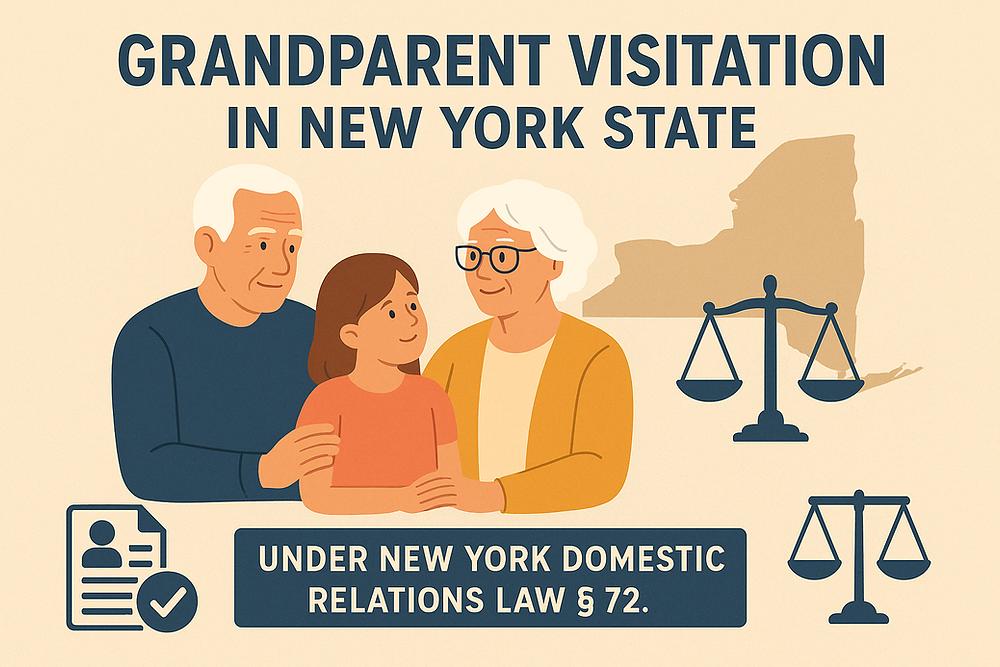
Grandparents often play a vital role in their grandchildren’s lives, providing emotional support, wisdom, and a sense of family history. However, as an experienced Syracuse grandparent rights attorney practicing across Central New York I’ve seen all too often how shifting family dynamics shift can lead to grandparents finding themselves cut off from the lives of their grandchildren. In New York State, grandparents do have legal avenues to seek visitation rights, but the process is not automatic and prioritizes the child’s best interests above all. This blog post explores the key aspects of grandparent visitation under New York law.
The Legal Framework for Grandparent Visitation
New York law recognizes that grandparents may petition for visitation rights if certain conditions are met. Importantly, the law distinguishes between visitation and custody: visitation focuses on the right to spend time with the grandchild, while custody involves broader decision-making authority and is only granted in “extraordinary circumstances,” such as an extended disruption of parental custody.
The process involves a two-step analysis established by courts:
- Establishing Standing: Grandparents must first show they have the legal right to bring the petition.
- Best Interests Determination: If standing is granted, the court evaluates whether visitation serves the child’s best interests.
This framework balances grandparents’ interests with parents’ fundamental constitutional rights to raise their children as they see fit.
Establishing Standing: When Can Grandparents Petition?
Grandparents have standing to seek visitation in specific scenarios:
- Death of One or Both Parents: If one or both parents are deceased, grandparents automatically have standing to petition for visitation. This recognizes the potential need for continued family connections during times of loss.
- Equity Warrants Intervention: When both parents are alive, grandparents must demonstrate that “conditions exist in which equity would see fit to intervene.” This typically requires proving either:
- A substantial existing relationship with the grandchild, or
- That the parents have unreasonably denied or interfered with efforts to establish such a relationship.
For example, if a grandparent has been actively involved in the child’s life but access is suddenly blocked due to family conflict, this could provide grounds for standing. Courts give significant weight to parental objections, so evidence of deliberate interference or harm to the child from lack of contact is crucial.
Determining the Child’s Best Interests
Once standing is established, the court shifts focus to the child’s best interests—the paramount consideration in all family law matters. New York courts weigh various factors, including:
- The child’s age, wishes (if mature enough), and emotional needs.
- The mental and physical health of the child, parents, and grandparents.
- The nature and quality of the existing grandparent-grandchild relationship.
- The grandparents’ caregiving abilities and attitude toward the parents.
- The distance between homes and feasibility of a visitation schedule.
- Any history of animosity or conflict between the parties.
The court may appoint an Attorney for the Child (formerly known as a law guardian) to represent the child’s perspective. Visitation is not granted if it would harm the child or unduly interfere with parental authority.
Contact A Syracuse Grandparent Rights Attorney Today
If you’re a grandparent being denied access to a grandchild and considering petitioning for visitation, contact us today for a confidential consultation with an experienced Syracuse grandparent rights attorney.
For more information on grandparent visitation, please visit our Grandparent Rights in New York Stateand Frequently Asked Questions pages
Disclaimer: This blog post is for informational purposes only and does not constitute legal advice. Laws and guidelines can change, so always verify with current statutes or a professional.

Address
| Monday | 8:30 AM - 4:30 PM |
| Tuesday | 8:30 AM - 4:30 PM |
| Wednesday | 8:30 AM - 4:30 PM |
| Thursday | 8:30 AM - 4:30 PM |
| Friday | 8:30 AM - 4:30 PM |
| Saturday | Closed |
| Sunday | Closed |
Contact Us Now