- Contact Us Now: (315) 234-4935 Tap Here To Call Us




Challenging Paternity in New York: What You Need to Know


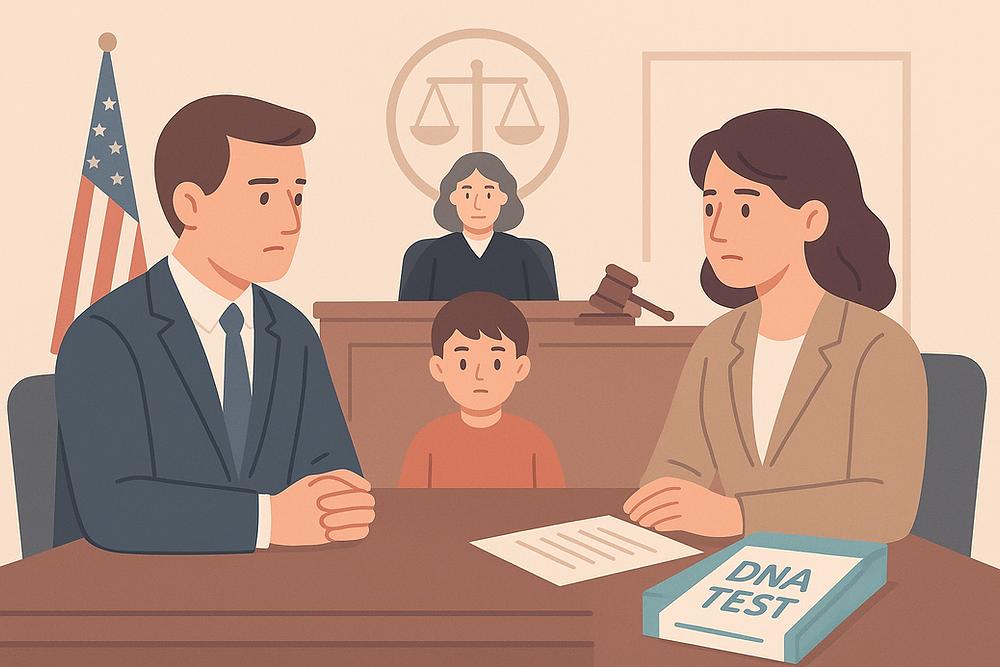
In family law matters, establishing or challenging paternity can have profound implications for parents and children alike. Paternity refers to the legal recognition of a man as a child’s father, which affects rights and responsibilities such as child support, custody, visitation, inheritance, and access to benefits like health insurance or Social Security. If you believe there has been a mistake in establishing paternity, whether through a voluntary acknowledgment, a presumption due to marriage, or a court order you may have options to challenge it under New York State law. However, the process is complex and often time-sensitive, with courts prioritizing the child’s best interests. This blog post provides an overview of challenging paternity in New York and how an experienced Syracuse paternity lawyer can be of assistance.
How Paternity is Established in New York
Before diving into challenges, it’s helpful to understand how paternity is typically established:
- Voluntary Acknowledgment of Paternity (AOP): Unmarried parents can sign an AOP form at the hospital after birth or later at Family Court or the Department of Social Services. This form legally establishes the father without a court hearing and is valid until the child turns 21.
- Presumption of Paternity: If the mother is married when the child is conceived or born, her spouse is presumed to be the legal parent, even if not the biological father. This presumption applies to same-sex marriages as well.
- Court Order (Order of Filiation or Parentage): If there’s no agreement, a paternity petition can be filed in Family Court by the mother, alleged father, child, guardian, or Department of Social Services (if the child receives public assistance). The court may order DNA testing, hold a hearing, and issue an order based on evidence.
Once established, paternity creates legal obligations and rights that are not easily undone.
Grounds for Challenging Paternity
You may have valid grounds to challenge paternity if you can demonstrate:
- Fraud: For example, if the mother misrepresented the father’s identity.
- Duress: If the acknowledgment was signed under pressure or coercion.
- Material Mistake of Fact: Such as believing you were the biological father based on incorrect information, later disproven by evidence like DNA.
- Non-Biological Parentage: DNA testing showing a probability of paternity below the legal threshold (typically over 99% accuracy in proving or disproving).
Courts may also consider “equitable estoppel,” a legal doctrine that can prevent a party from challenging or denying paternity even if biological evidence suggests otherwise. This principle is applied when allowing the challenge would lead to unfair prejudice or harm, particularly to the child. In essence, if an individual has held themselves out as the child’s parent (providing emotional, financial, and day-to-day support over time) the court may estop (or bar) them from later disclaiming paternity to avoid disrupting the child’s established relationship and stability. The paramount concern in these cases is always the best interests of the child, and equitable estoppel ensures that long-standing parental bonds are not severed solely based on biology.
For instance, equitable estoppel might be invoked to deny a request for DNA testing if the child has relied on the presumed father as their parent for years, and testing could cause emotional harm or instability. It can also apply in the reverse: preventing a mother from asserting a different biological father if she has fostered a close relationship between the child and a non-biological father figure. Factors courts consider include the length and nature of the relationship, the child’s age and emotional attachment, any representations made about parentage, and potential prejudice to the child if the relationship is disrupted. Notably, this doctrine can impose ongoing financial responsibilities on a non-biological parent, such as child support, while potentially limiting rights like visitation in certain contexts. The doctrine may be raised by any party to the proceeding or even the attorney for the child.
Time Limits and Statute of Limitations
Timing is critical:
- For vacating an AOP: 60 days from signing for straightforward revocation; later requires proof of fraud, duress, or mistake.
- General challenges: You can file until the child turns 21, but courts may deny late challenges if equitable estoppel applies or if it’s not in the child’s best interests.
Potential Consequences of a Successful Challenge
If paternity is successfully challenged:
- The individual is relieved of legal obligations like child support.
- Rights to custody, visitation, and decision-making are terminated.
- The child may lose access to benefits tied to that parent, such as inheritance or medical history.
- It could emotionally impact the child, which is why courts carefully weigh these cases.
On the flip side, failing to challenge in time might mean ongoing responsibilities despite non-biological ties.
Contact A Syracuse Paternity Lawyer Today
If you’re in New York and need help with challenging paternity, contact our office today for a confidential consultation with an experienced Syracuse paternity lawyer to discuss your case.
For more information on the paternity, please visit our Paternity in New York State and Frequently Asked Questions pages
Disclaimer: This blog post is for informational purposes only and does not constitute legal advice. Laws and guidelines can change, so always verify with current statutes or a professional.

Address
| Monday | 8:30 AM - 4:30 PM |
| Tuesday | 8:30 AM - 4:30 PM |
| Wednesday | 8:30 AM - 4:30 PM |
| Thursday | 8:30 AM - 4:30 PM |
| Friday | 8:30 AM - 4:30 PM |
| Saturday | Closed |
| Sunday | Closed |
Contact Us Now