- Contact Us Now: (315) 234-4935 Tap Here To Call Us




Can Spousal Maintenance Be Modified Post-Divorce?


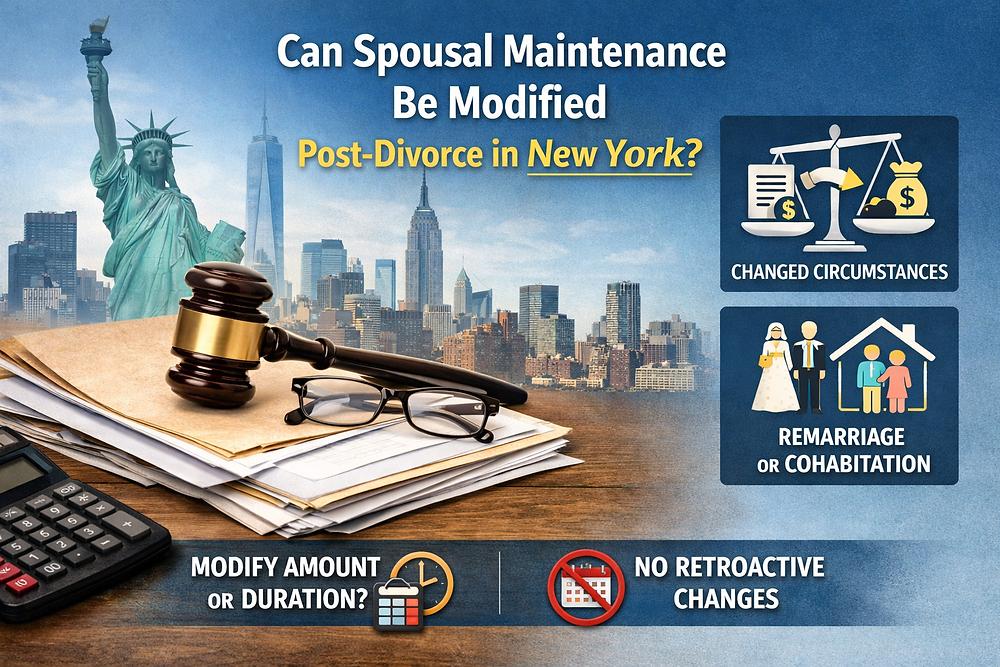
Spousal maintenance can have a significant financial impact after a divorce. But what happens when circumstances change? Can a former spouse go back to court and ask for more, or less, maintenance? Whether maintenance can be modified depends largely on how it was created and what has changed since the divorce. In this post a Syracuse divorce
attorney explains what you need to know.
1. If Maintenance Was Ordered by the Court
When spousal maintenance is awarded by a judge as part of a divorce judgment in New York State, it may be modified if there has been:
- A substantial change in circumstances, or
- The recipient’s inability to become self-supporting, or
- A substantial change in either party’s financial situation
Examples of substantial changes include:
- Job loss or significant reduction in income
- Serious illness or disability
- Retirement (in some circumstances)
- A significant increase in either party’s income
The court will examine whether the change was unanticipated and unreasonable at the time of the original order.
2. If Maintenance Was Set by Agreement
Many divorcing spouses enter into a settlement agreement that sets maintenance terms. These agreements are typically incorporated into the Judgment of Divorce. Modification in these cases depends heavily on the language of the agreement:
A. If the Agreement Is Silent on Modification
You generally must show “extreme hardship” to modify maintenance. This is a much higher legal standard than “substantial change in circumstances.”
B. If the Agreement Allows Modification
If the agreement specifically permits modification upon certain conditions, the court will follow those terms. This is why careful drafting during divorce negotiations is critical. The difference between “substantial change” and “extreme hardship” can determine whether future relief is realistically available.
3. What About Remarriage or Cohabitation?
Under New York law:
- Maintenance typically terminates upon the recipient’s remarriage.
- It may also terminate if the recipient habitually lives with another person and holds themselves out as married.
- The parties can agree to different terms in a settlement agreement.
4. Can You Modify Duration or Just the Amount?
Both the amount and duration of maintenance may be subject to modification, but again, only if the applicable legal standard is met. For example:
- A payor who loses a high-income job may seek a reduction.
- A recipient who becomes permanently disabled may seek an extension.
Each case turns on its specific facts.
5. You Cannot Modify Retroactively
One critical point: Maintenance cannot be modified retroactively prior to the date you file your application with the court. If you wait months after losing your job to file, arrears will continue to accrue at the original amount.
6. The Court’s Focus: Fairness and Financial Reality
New York courts aim to balance fairness with finality. Divorce judgments are meant to provide stability, but they also recognize that life circumstances change. If you believe your situation has changed substantially since your divorce, it is important to have your judgment and settlement agreement reviewed carefully before taking action.
Contact a Syracuse Divorce Attorney Today
If you are paying or receiving maintenance and your financial situation has changed, you may have options. Understanding your rights early can prevent costly arrears or missed opportunities for relief. Contact our office today for a confidential consultation with an experienced Syracuse divorce attorney.
For more details on the divorce process please visit our Divorce and Frequently Asked Questions pages
Disclaimer: This blog post is for informational purposes only and does not constitute legal advice. Laws and guidelines can change, so always verify with current statutes or a professional.

Address
| Monday | 8:30 AM - 4:30 PM |
| Tuesday | 8:30 AM - 4:30 PM |
| Wednesday | 8:30 AM - 4:30 PM |
| Thursday | 8:30 AM - 4:30 PM |
| Friday | 8:30 AM - 4:30 PM |
| Saturday | Closed |
| Sunday | Closed |
Contact Us Now